worksheet excel Create a worksheet in excel
In today's fast-paced professional environment, proficiency in Excel is not just an asset; it is often a requirement. Understanding the intricacies of worksheets and workbooks can significantly enhance productivity and improve data management capabilities. This post delves into the essential features of worksheets and workbooks in Excel, providing valuable insights for both new and experienced users.
Worksheets and Workbooks in Excel
:max_bytes(150000):strip_icc()/worksheets-and-workbooks-in-excel-1-5c3b5e11c9e77c0001bc58d6.JPG)
At the heart of Excel's functionality lie worksheets and workbooks. A workbook is essentially a file that can contain multiple worksheets, which are individual pages within the workbook. Each worksheet is a grid made up of rows and columns, where data can be entered, analyzed, and manipulated. This structure allows users to organize information efficiently, enabling easier navigation and comprehension of data sets.
Users can create a new worksheet within an existing workbook with just a few clicks. By leveraging the organizational capabilities of Excel, professionals can maintain separate worksheets for different projects, departments, or types of data, all housed within a single workbook. This consolidation not only makes data management simpler but also streamlines collaboration and data sharing among team members.
Create a Worksheet in Excel
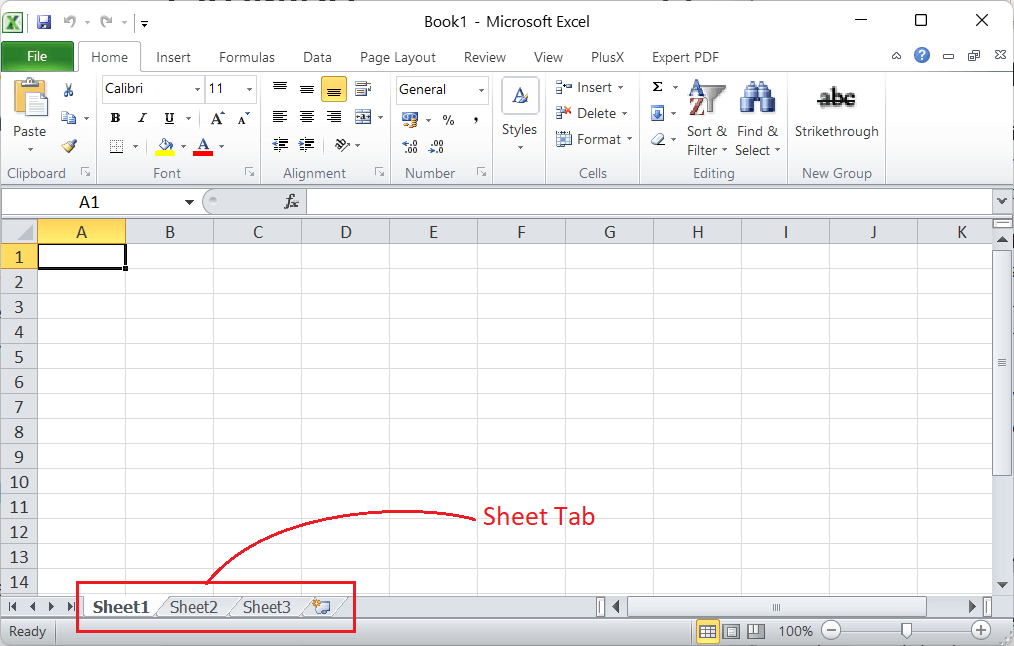
Creating a worksheet in Excel is a straightforward process that is critical for anyone looking to efficiently manage data. To initiate a new worksheet, simply click the "+" icon located at the bottom of the Excel interface next to existing sheet tabs. This action adds a blank worksheet to the workbook, ready for data entry.
Once a new worksheet is created, users can begin organizing their data. This involves properly labeling columns, inputting values, and formatting cells to enhance readability. Utilizing features such as conditional formatting, data validation, and charting tools further elevates the functionality of worksheets, allowing for more dynamic data presentations and detailed analyses.
In conclusion, mastering the use of worksheets and workbooks in Excel is vital for any professional striving for efficiency and effectiveness in data management. By understanding how to create and organize worksheets, users can optimize their workflows, making it easier to analyze information and derive meaningful insights. The capabilities of Excel are extensive, and leveraging these tools can lead to improved performance and decision-making in various business contexts.